What’s the Best Fabric for Embroidery Patches
September 20, 2026
The 10 Different Types of Lapel Pin Backings
September 23, 2026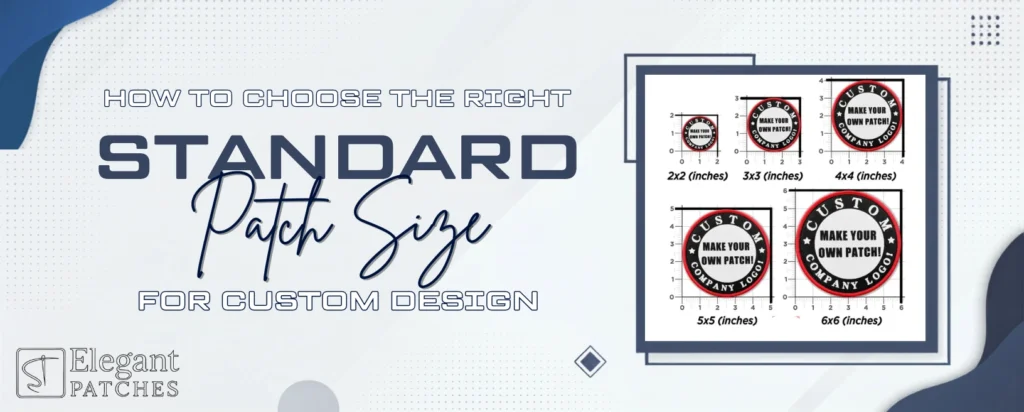
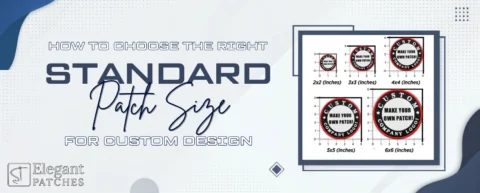
Choosing the right patch size depends on where you plan to use it, how much detail is in the design, and the type of patch you want to make. No single standard patch size works for every hat, shirt, jacket, uniform, or bag.
For many everyday applications, custom patches fall somewhere between 2 and 4 inches. Smaller patches work well for simple logos and compact placements, while larger designs may need 5 inches or more. Full jacket-back patches can reach 8 to 12 inches or larger.
This guide explains common patch sizes, how to measure a custom patch, and what size usually works best for hats, shirts, sleeves, jackets, backpacks, and other applications.
Is There a Standard Patch Size?
No universal standard size fits every custom patch.
The right dimensions depend on the available space and the design itself. A 3-inch patch may work well on a shirt chest but may be too large for the side of a cap. A large back patch may need to be 8–12 inches or more.
The most important factors are:
- Where the patch will be placed
- Available space on the garment or item
- Shape of the artwork
- Amount of text and fine detail
- Patch material
- Size of the garment or accessory
- How far away the design needs to be readable
Instead of choosing a size first, start with the placement and work from there.
Standard Patch Size Chart
The following ranges are useful starting points for common patch applications. They are not fixed rules, so your final size may need to change based on the artwork and available space.
| Patch Placement | Common Starting Size |
| Hat front | 2–3.5 inches wide |
| Hat side | 1–2 inches |
| Beanie cuff | 1.5–3 inches wide |
| Shirt chest | 2–3.5 inches |
| Jacket chest | 2.5–4 inches |
| Sleeve | 2–4 inches |
| Shoulder | 2.5–4 inches |
| Name patch | 3–5 inches wide |
| Uniform patch | 2.5–4 inches |
| Backpack | 2–5 inches |
| Morale/tactical patch | 2–4 inches |
| Jacket back | 8–12 inches |
| Large statement back patch | 10–14 inches or more |
Think of these measurements as a starting point. The actual patch should be sized to fit the item and artwork you are using.
Most Common Custom Patch Sizes
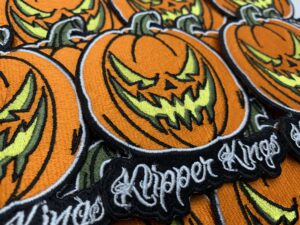
Custom patches can be made in many dimensions, but some size ranges are more practical for everyday use.
1–2 Inches
Small patches are useful for simple logos, initials, small symbols, and compact placements.
They work particularly well on:
- Hat sides
- Small bags
- Collars
- Cuffs
- Small branding areas
At this size, avoid designs with lots of tiny lettering or intricate details. There may not be enough room for those elements to remain clear.
2–3 Inches
This is a useful range for many smaller apparel and accessory patches.
Common uses include:
- Hat fronts
- Shirt logos
- Small uniform patches
- Backpack patches
- Small sleeve designs
- Morale patches
A simple logo can work very well at this size.
3–4 Inches
This range provides more room for lettering, borders, logos, and moderate detail.
It is commonly suitable for:
- Chest patches
- Jacket patches
- Sleeves
- Shoulder patches
- Uniform emblems
- Larger backpack designs
If your artwork contains text that needs to be easy to read, moving from a 2-inch patch to a larger size may make a noticeable difference.
5 Inches and Larger
Larger patches are usually chosen when the design needs to make a strong visual impact or cover a larger area.
They can be used for:
- Large jacket designs
- Large bags
- Oversized decorative patches
- Club or organization designs
- Large mascot artwork
For very large designs, always check the available space before approving the final dimensions.
What Size Patch Should I Get for a Hat?
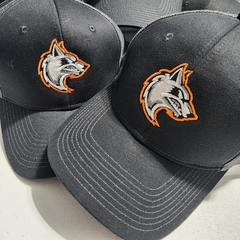
Hat patches generally need to stay relatively compact because the front panel has limited space and a curved surface.
A 2–3.5 inch wide patch is a useful starting range for many hat fronts. Smaller patches around 1–2 inches can work well on the side or back of a hat.
For a hat patch, consider:
- Width of the front panel
- Height available above the brim
- Shape of the logo
- Curvature of the hat
- Amount of text
- Whether the hat is structured or unstructured
Wide, simple artwork usually works better than a tall design packed with small details.
Before ordering, place a paper version of the design on the hat. This gives you a much better idea of how the finished patch will look than viewing the design on a computer screen.
What Size Patch Is Best for a Shirt or Jacket Chest?
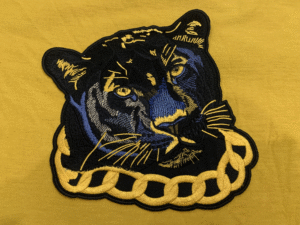
Chest patches usually need to be large enough to see clearly without taking over the front of the garment.
A 2–3.5 inch patch can work well for a shirt or polo chest, while a jacket chest may allow around 2.5–4 inches, depending on the garment.
Consider a smaller size for:
- Simple company logos
- Small icons
- Minimal branding
A larger size may be more suitable for:
- Detailed logos
- Team emblems
- Designs containing text
- Larger jacket fronts
The garment itself should always be measured before deciding on the final size.
What Size Patch Should I Use for a Sleeve?
Sleeves usually have less usable width than a jacket or shirt front, so the patch should be sized around the available sleeve area.
A 2–4 inch patch can be a useful starting range for many sleeve applications.
Common sleeve patch designs include:
- Flags
- Team logos
- Company logos
- Department insignia
- Club designs
- Small symbols
If the sleeve is narrow or the garment is fitted, a smaller patch may sit better and be more comfortable.
What Size Should a Shoulder Patch Be?
Shoulder patches often need a little more space than small sleeve patches.
A 2.5–4 inch range can work for many shoulder applications, but the exact dimensions depend heavily on the garment and patch shape.
For a round or shield-shaped patch, measure the available area first. For an irregular design, measure the full outer dimensions of the artwork.
If the patch is going on a uniform, also check whether the organization, employer, team, or uniform supplier has its own sizing requirements.
What Size Should a Full Back Patch Be?
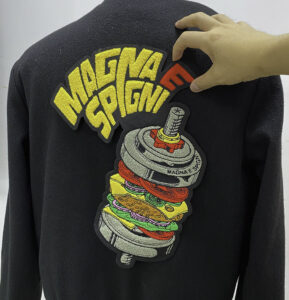
Large back patches are designed to cover much more space than chest or sleeve patches.
A typical starting range is around 8–12 inches, although larger designs can be made when the garment has enough space.
Full-back patches are commonly used on:
- Denim jackets
- Motorcycle jackets and vests
- Club jackets
- Team apparel
- Large fashion pieces
- Oversized decorative designs
The size should match the back panel rather than simply making the patch as large as possible.
For a large design, measure the jacket from the intended top edge to the bottom edge and from side to side. Leave enough room around the patch so it does not interfere with seams, pockets, or other decorations.
What Size Patch Should I Use for a Backpack?
Backpacks have many different panel sizes, so there is no single backpack patch size.
For a smaller logo, 2–3.5 inches may work well. Larger front panels can accommodate patches around 4–5 inches or more.
Before choosing the size, measure:
- The width of the panel
- The height of the panel
- Any seams or zippers nearby
- Existing patches or decorations
- The area where the patch will actually be attached
For a backpack with a Velcro panel, also make sure the patch fits inside the usable hook-and-loop area.
How Are Custom Patches Measured?
Custom patch measurements normally refer to the overall finished dimensions of the patch.
For a simple rectangular patch, you can measure:
Width × Height
For example:
3 inches wide × 2 inches high
For a round patch, the main measurement is its diameter.
For an irregular shape, such as a shield, mascot, animal, or custom die-cut design, use the maximum width and maximum height of the finished shape as a practical reference.
For example, if the widest point is 4 inches and the tallest point is 3 inches, the overall footprint is approximately:
4 inches wide × 3 inches high
The exact sizing and pricing method can vary between patch manufacturers, so confirm how your manufacturer measures the patch before placing an order.
How Design Detail Affects Patch Size
The artwork can be just as important as the physical space available.
A simple logo may look clear at 2 inches, while the same logo with several lines of small text may need to be larger.
Pay particular attention to:
- Small lettering
- Thin lines
- Tiny symbols
- Fine borders
- Closely spaced elements
- Detailed illustrations
- Multiple small shapes
Embroidery is made with thread and stitches, so very small details have practical production limits. Woven and PVC patches can handle certain fine details differently, while chenille is generally better suited to bold shapes and larger lettering.
If your artwork contains small text, ask for a production recommendation before finalizing the size.
Does Patch Material Affect the Best Size?
Yes. Different patch materials handle detail and small designs differently.
Embroidered Patches
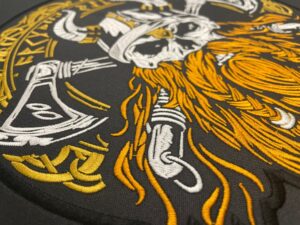
Embroidered patches are made with thread stitched into the patch surface. They work especially well for logos, names, symbols, and traditional patch designs.
Very small text and fine lines may become difficult to reproduce clearly, so increasing the patch size can sometimes help.
Woven Patches
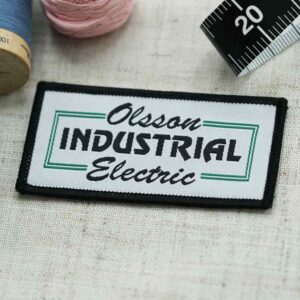
Woven patches use thinner threads and a tighter construction, making them a useful choice for designs that contain finer lines or smaller details.
They can be a good option when embroidery would make the artwork too crowded.
PVC Patches
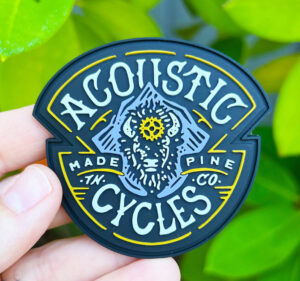
PVC patches are made from molded rubber-like material and can work well for bold graphics, lettering, and designs that need a clean, defined appearance.
They are commonly used on bags, outdoor gear, uniforms, and tactical-style products.
Chenille Patches

Chenille patches have a raised, textured appearance and is often used for varsity, school, sports, and large decorative designs.
Because of its texture, bold artwork usually works better than very fine detail.
Leather Patches
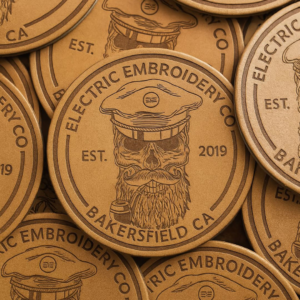
Leather patches are often chosen for a clean, premium look on hats, jackets, bags, and accessories.
The amount of detail that can be reproduced depends on the production method and leather type.
The best material is therefore not determined by size alone. Your artwork and intended use should be considered together.
How to Choose the Right Patch Size
If you’re unsure about the size, use this simple process.
1. Decide Where the Patch Will Go
Choose the exact placement first. A patch for a hat will have different requirements from one made for a jacket back.
2. Measure the Available Space
Use a measuring tape to check the usable width and height. Do not measure only the entire garment. Measure the actual area where the patch will sit.
3. Check Your Artwork
Look at the amount of text, detail, borders, and small elements in your design. Simple artwork can often work at smaller dimensions. Detailed artwork may need more room.
4. Choose the Material
Think about whether embroidery, woven, PVC, chenille, leather, or another patch style is appropriate for the design.
5. Make a Full-Size Mockup
Print the artwork at the actual size you are considering. Cut it out and place it on the garment or item. This is one of the easiest ways to see whether the patch feels too large or too small.
6. Confirm the Final Size
Once you have checked the placement and artwork, confirm the final dimensions with your patch manufacturer before production.
Common Patch Sizing Mistakes
Choosing the size before the placement
The same patch size does not work equally well everywhere. Always decide where the patch will go first.
Putting too much text on a small patch
Small patches have limited room. Long phrases can become difficult to read when reduced.
Ignoring the shape
A 3-inch round patch and a 3 × 3-inch square patch may occupy similar space, but an irregular design can have a very different visual footprint.
Measuring only on a computer screen
A design can look large on your monitor and surprisingly small when printed. Always check the artwork at its actual physical size.
Making a large patch without checking the garment
Large patches need enough flat space. Seams, pockets, buttons, zippers, and curved areas can affect the final placement.
Assuming every material handles detail the same way
Embroidery, woven, PVC, chenille, and leather patches have different production characteristics.
Choose the material with the artwork in mind.
Can Custom Patches Be Made in Any Size?
Many custom patch manufacturers can produce patches in a wide range of dimensions, including sizes outside common placement ranges.
However, “custom size” does not mean every design will work equally well at every dimension.
The artwork, patch shape, material, attachment method, and available space all matter.
If you have an unusual size requirement, provide the exact dimensions and intended placement when requesting a quote or artwork review.
Does Patch Size Affect Price?
Patch size can affect production cost because larger patches may require more material, thread, production time, or other manufacturing resources.
However, price also depends on factors such as:
- Patch material
- Quantity
- Shape
- Number of colors
- Backing
- Production method
- Artwork complexity
Ask for a quote based on your actual design and specifications rather than assuming that size alone determines the price.
Need Help Choosing Your Patch Size?
The right patch size starts with the artwork and the place where you plan to use it.
If you already have a design, measure the available space and share your artwork with Elegant Patches. We can help you choose a practical size based on the design, placement, and patch style you want.
If you only have an idea, you can also start with the intended placement and approximate dimensions. From there, the artwork and production specifications can be adjusted to create a patch that fits the application properly.