How to Choose the Right Standard Patch Size for Custom Design
June 15, 2026
How Do You Attach a Leather Patch to a Jacket?
July 1, 2026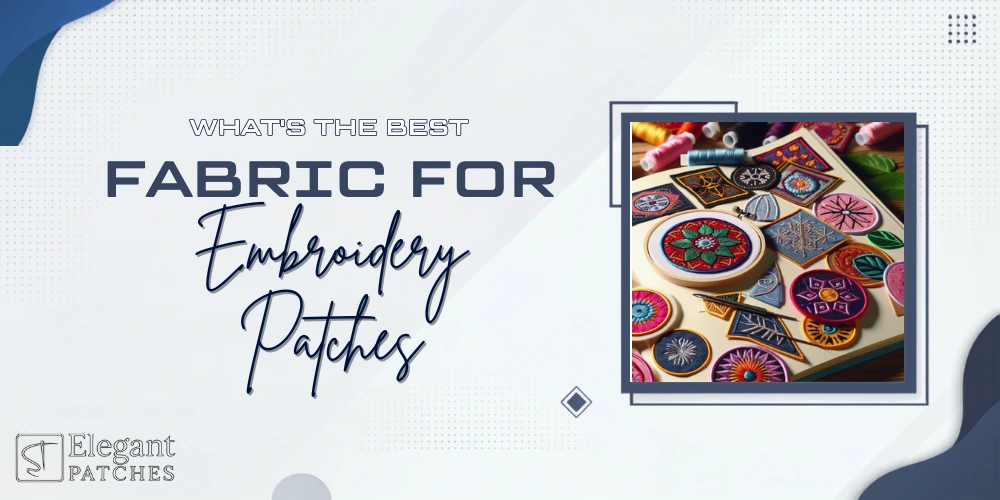
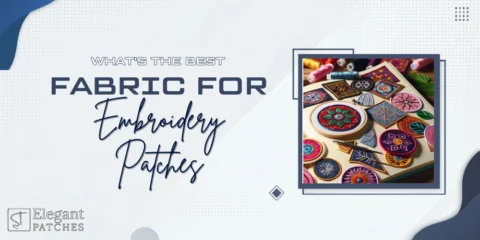
Imagine that you have the perfect design in mind but you’re overwhelmed when you start looking at options for the fabric for embroidery patches. Suddenly it’s a confusing choice from twill and polyester and felt and more. Which one will work?
The good news is that your choice for a patch fabric becomes a lot less daunting once you know what each material brings to the table. Here’s the lowdown on the most common fabrics for embroidery patches and you will know just where they shine.
How To Choose Fabric for Embroidery Patches?
While you are giving focus to the design do not forget about the fabric. And that goes for all orders whether you opt for custom patches no minimum or a larger run. A deep dive into a few factors can help you narrow down the right fabric.
So what do you want out of your embroidery patches now and down the line?
Built to Last: Patches face wear and wash and you want one that makes it out fine.
Fabric Density: The thickness of the fabric affects stitch support plus overall look.
Border Sharpness: Some fabrics resist well and you may want to ensure yours does.
Where to Use: Fabric choice will depend on whether the surface will be uniform or bag or jacket.
It takes some research and a little bit of time for you to consider these factors and it is crucial you do that before moving on to comparing fabrics as it will affect how the embroidery turns out in appearance, texture, and overall charm!
What Is the Best Material for Embroidered Patches?
Even though twill and polyester are in the lead, there is no “best” fabric for an embroidery patch as the ideal pick is all about end goals. Thread and design matter when it comes to embroidered patches but it is the fabric that creates the base. Your choice of material will affect the size measurement for patches and also influence the level of detail and finish you want to achieve. Let’s get to know our contenders in this embroidery patch material guide.
Cotton Fabric
A popular choice for patches is cotton as it is lightweight and that makes it easy to stitch on. If you are a beginner or you’re going for designs with light stitch density then cotton helps keep things neat (but it does need more upkeep). The most amazing part overall about cotton is that is more forgiving when you want detailed embroidery as a newbie!
Denim Fabric
If you need a thick and durable patch material for embroidery that handles dense stitches without stretching or losing shape then look no further than denim. You’ll like the nice texture that adds character to your patches. And of course it pairs well with jackets and jeans as well as backpacks.
Felt Fabric
When decor patches are the goals then the soft and thick but still and easy to work with felt patches are a favorite. And felt does not fray so you can cut shapes cleanly without worrying about the edges. You can make this choice without a second though for both for simple and bold graphics where the focus is on visuals over ultra perfection.
Nylon Fabric
One of the most superb synthetic materials out there common for outdoor use is nylon. It gets the credit for the best fabric for embroidery patches because it resists moisture and dries quickly. Throw any weather and tough conditions at it and nylon will hold up way better than natural fabrics!
Polyester Fabric
If you want the top contender for commercial patches then polyester is where you head because it resists wrinkles and even shrinking. You don’t have to worry if it will retain its shape and color after many rounds in your washer. The best part is that the smooth but sturdy surface supports detailed thread work and that is why it is common for uniforms and branded apparel.
Canvas Fabric
This is the type of cotton or cotton-blend fabric for embroidery patches you need when the goal is to have a tough surface that handles heavy stitching. That hardiness that makes canvas a leading choice for outdoor gear and workwear is the same reason it can be a superb pick for patches!
Twill Fabric
There is a unique diagonal weave in twill fabric and that creates a hard-wearing surface for embroidery. The best part is that you get versions of twill in both cotton and polyester as well as blended. This makes it a leading choice for name tags and workwear patches plus custom emblems for uniforms and other uses.
Gabardine Fabric
Another smooth surface that is made with cotton or polyester or even blended fibers is gabardine. This tightly woven fabric will make your design’s details stand out and be long-lasting as well. The guarantee of refined look and clean lines is why many patch makers love this fabric.
Which Fabric Works Best for Embroidered Badges?
If you are looking to follow the footsteps of patch savants then polyester remains the best choice for badges. And these embroidered badges are in fact really woven patches that are flatter and capture finer details better.
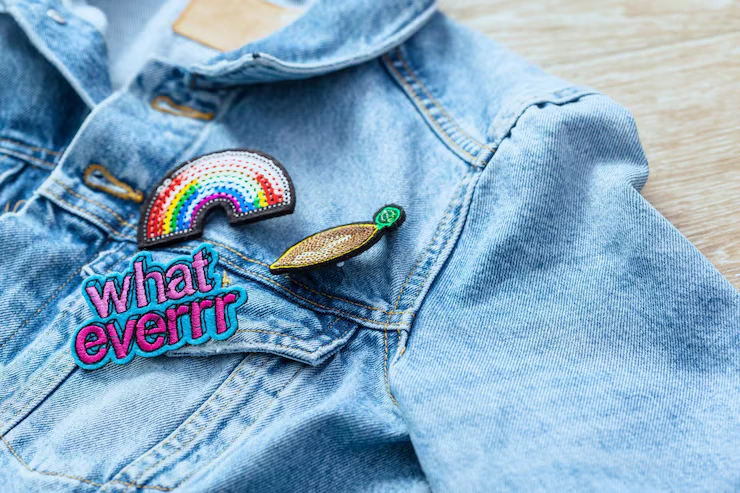
Polyester is the best choice for the fabric for these as it balances durability and detail. If it is the standard cloth look you want to achieve in varsity jacket front patches or sports club caps then you go for twill. It is perfect for any kind of badges that you would want in fabric rather than something like PVC.
What Is the Most Popular Fabric Used for Embroidery Patches?
If you ask seasoned patch makers to name the two most popular fabrics then you’ll get polyester and twill as a favorite for both brands and artists.
Polyester remains loved because it performs well in different environments while twill gets its great rep for a clean and polished finish.
That said, you may not get the visuals and longevity you want with the most popular choice. Most leading patch manufacturers give you the option for fully custom embroidery patches because the perfect results are about compatibility.
- Twill can be a no-brainer for sports jackets and school badges.
- Polyester is a classic sturdy option for outdoor gear or workwear uniforms.
- Woven material captures art in a beautiful way for Kpop fan patches.
It’s all about what you want to showcase through your patch’s art and how much use you see in its future. Always think about the long-term and then choose the fabric that supports that goal.
How To Order Patches with the Right Types of Material?
A certain fabric for embroidery patches will leave you in awe of how long-lasting the material can be and the other one will prove to be the perfect way to showcase your artistic design. The answer when you ask about the “best” material will never be straightforward. You will have to decide if the sturdiness of twill matters the most or the quick-drying ability of nylon.
Lucky for you is the access to our skilled patch pros who can give you even clearer answers based on your preferences and goals. At Elegant Patches we have a refined process for embroidery patch orders that results in you receiving results that exceed your expectations every time.
What are you waiting for? Place your order today and you will be amazed!